
How Sustainable Gardening Practices Protect the Environment in South Africa
Gardening Beyond Aesthetics
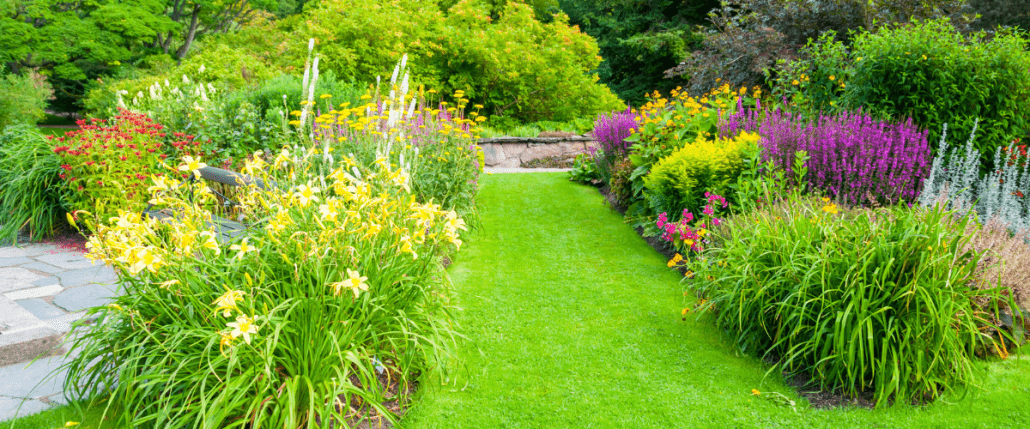
Gardens are more than just attractive spaces – they are living ecosystems. Sustainable gardening focuses on creating a balanced environment where plants, soil, water, and wildlife work together. This approach supports healthy landscapes while protecting the environment.
Native Plant Selection & Water Efficiency
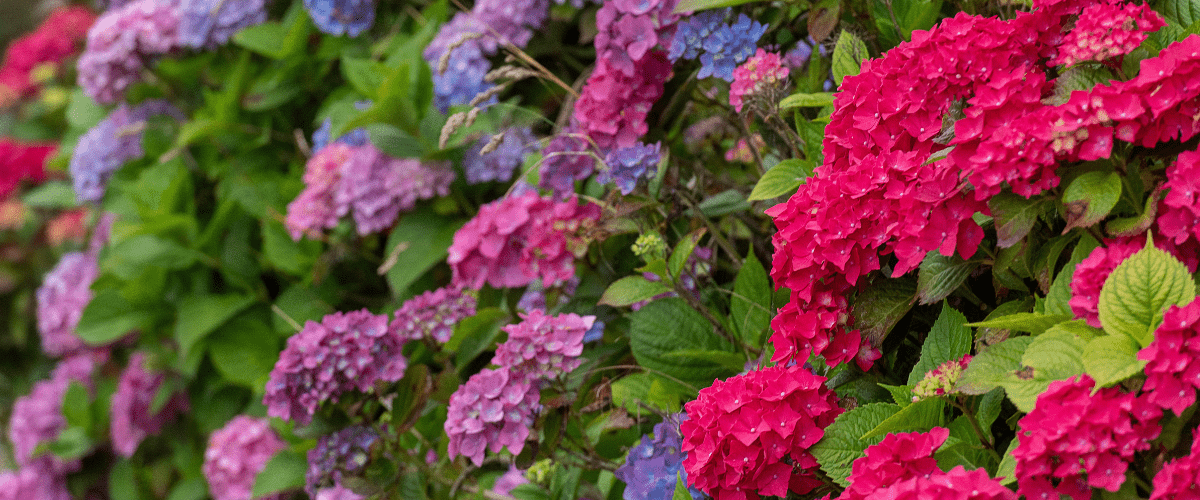
Choosing indigenous plants is one of the most effective ways to create a sustainable garden. Native plants are adapted to local climate conditions, requiring less water and fewer resources. Grouping plants by similar water needs also reduces waste and makes irrigation more efficient.
Soil, Compost & Mulch Synergy
Mulch and compost work together to protect soil and conserve water.
Mulch:
- reduces evaporation
- keeps soil cooler
Compost:
- improves soil structure
- supports beneficial microbes.
Together, they reduce the need for frequent watering and help soil stay healthy longer.
Water Wise Gardens & Irrigation
Smart irrigation systems like drip lines and timers help deliver water directly to the root zone, reducing waste and promoting efficient water use. In South Africa’s climate, efficient watering can make a major difference in garden health and sustainability.
Biodiversity & Chemical Reduction
Sustainable gardens encourage wildlife like bees, butterflies, and birds. Reducing pesticide and chemical fertiliser use supports biodiversity and protects local ecosystems. Natural soil health practices like composting help plants stay strong without relying on harsh chemicals.
TurfNet’s Role
TurfNet supports sustainable gardening through organic compost products that feed soil life and improve water retention. Their solutions help reduce chemical dependency and promote healthier soil and plants.
Combined with smart irrigation and sustainable landscaping services, TurfNet helps gardens thrive while protecting the environment.
