
Why Compost Is the Heart of a Healthy Garden (And How to Use It Right)
What compost is and why everyone should care
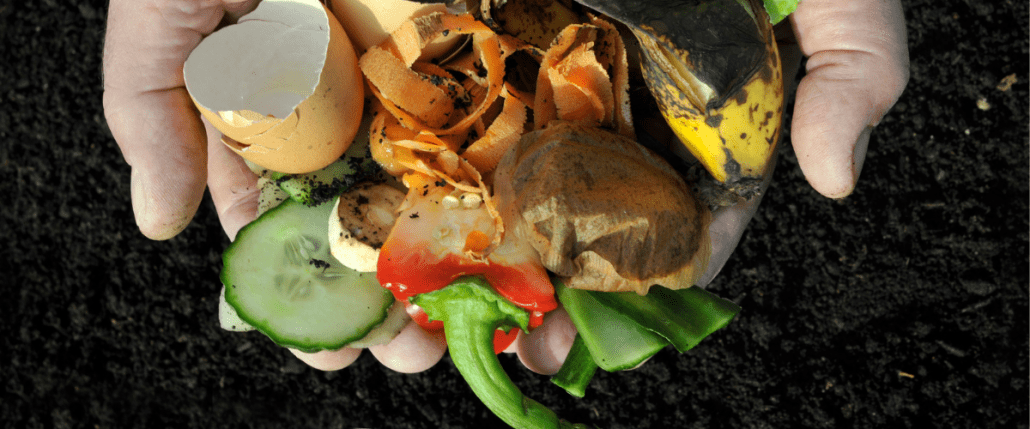
Compost is a natural soil-fernishing material, that is created when organic matter in your garden (trimmings, food scraps, plant waste) breaks down over time. This occurs when tiny microorganisms in the soil convert the waste into a dark, crumbly substance that improves soil health. This crumbly substance plays an important role in protecting the environment and improving soil sustainability.
Main benefits:
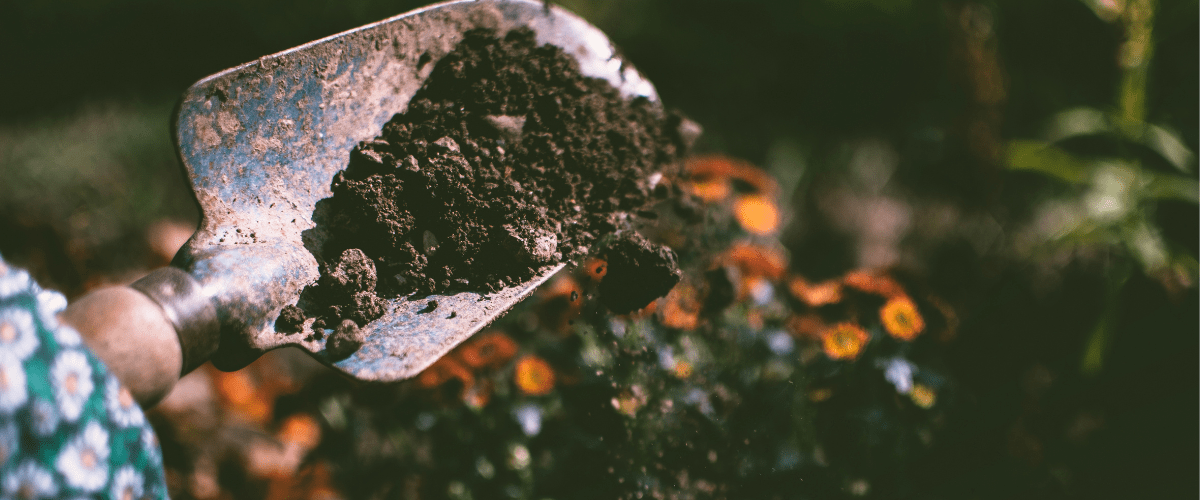
- Improves soil structure: improving air circulation and allows roots to spread easily
- Enhances moisture retention: soil enriched compost is better at holding water. This helps maintain consistent moisture levels and reduces need for frequent watering.
- Supports beneficial microorganisms: microbes help breakdown organic matter and make nutrients more accessible to plants.
How to Use Compost
- Layering vs mixing
- Layering (top dressing): spreading compost evenly over the surface without affecting the plant root.
- Best for: established flower beds or existing lawns.
- Encourages: nutrients to filter down water and rainfall.
- Mixing (incorporation): working compost into top layer of soil before planting
- Ensure: compost evely distributed through root zone
- Improves: soil texture and nutrient availability
- Best seasons to apply compost
- Spring: helps prep solid for active growth and support root development
- Autumn: works well for rebuilding soil after growing season and strengthening structure before winter.
NB: compost can be applied year-round as long as soil isn’t frozen or waterlogged
Composting in Small & Large Gardens
Small gardens benefit from compost bins or containers that keep the process tidy and easy to manage. Larger gardens can use open compost piles placed directly on soil, allowing materials to break down naturally and efficiently.
What to Add – and What to Avoid
Compost works best with plant-based kitchen scraps, garden clippings, leaves, and shredded paper. Avoid meat, dairy, oily foods, diseased plants, and pet waste, as these can attract pests or harm the composting process.
Turning & Watering
Compost should stay lightly moist and be turned every few weeks to introduce oxygen. If the pile smells unpleasant, it usually needs more air or dry material.
How Turfnet Helps
TurfNet offers a range of organic compost products, specialised soil blends and mulch to help improve soil health naturally. Their compost and soil solutions are designed to build living soil that supports beneficial microbes, enhance water retention and reduce reliance on chemical fertilisers—making them ideal for sustainable gardens, eco-friendly landscaping and stronger soil structure.
Ready to improve your soil? Contact TurfNet for professional soil assessments and to order compost products.
📞 Phone: +27 73 935 9754 / 011 464 5088
📧 Email: admin@turfnetsa.com
📍 Address: Plot 17, R511, Diepsloot Holdings, 2189, Gauteng, South Africa
🛒 Shop Compost & Soil Products:https://www.turfnetsa.com/shop/
