
Prepare Your Garden for Winter with Indigenous Plants!
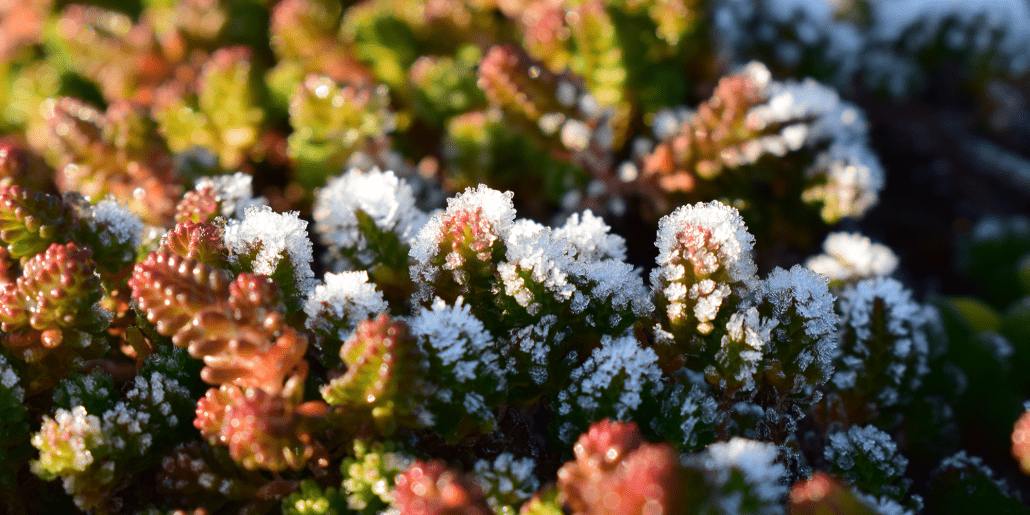
Winter is on its way, but that doesn’t mean your garden has to lose its charm. By incorporating indigenous plants, you can maintain a vibrant, eco-friendly, and low-maintenance landscape throughout the colder months.
Why Choose Indigenous Plants for Winter Gardening?
Indigenous plants are naturally suited to their environment, requiring less water and maintenance while providing crucial support for local wildlife. These plants have adapted to local climate conditions, making them resilient to winter’s challenges such as frost and reduced rainfall. They also contribute to biodiversity, attracting birds, bees, and beneficial insects that support a balanced ecosystem.
Unlike exotic species that may struggle to survive in winter, indigenous plants can continue to thrive with minimal intervention. Their deep root systems help prevent soil erosion and improve soil health, ensuring long-term sustainability for your garden.
Top Indigenous Plants to Keep Your Garden Thriving in Winter
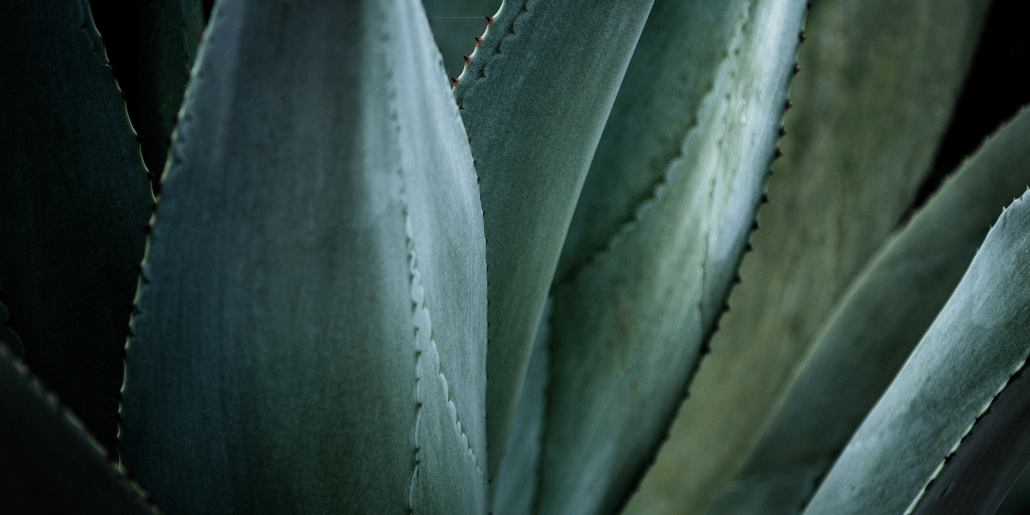
1. Cape Aloe (Aloe Ferox)
This hardy succulent produces stunning orange-red flowers in winter, attracting sunbirds and adding striking visual interest. It is also known for its medicinal properties, often used in skincare and traditional remedies.
2. African Geranium (Pelargonium Sidoides)
A resilient, low-maintenance plant with rich purple blooms that provide a burst of color during the colder months. This plant is also valued for its natural medicinal benefits, particularly for respiratory health.
3. Blue Daisy (Felicia Amelloides)
Its bright blue flowers bring cheer to winter beds and attract pollinators, helping to sustain bee populations even in colder weather. This hardy perennial thrives in full sun and well-drained soil, making it an excellent choice for borders and containers.
4. Cape Honeysuckle (Tecoma Capensis)
– With its warm orange trumpet-shaped flowers, this plant adds vibrancy to your garden while inviting birds and bees. It is a fast-growing shrub that can be used for hedging or as a climbing plant along trellises and fences.
Essential Winter Gardening Tips
1. Mulch for Protection
Apply mulch to insulate roots, conserve moisture, and prevent weed growth. Organic mulches such as bark chips, straw, or compost also enrich the soil as they break down.
2. Smart Watering
Water early in the morning to minimize evaporation and give plants time to absorb moisture before temperatures drop in the evening. Adjust watering schedules according to rainfall to prevent overwatering.
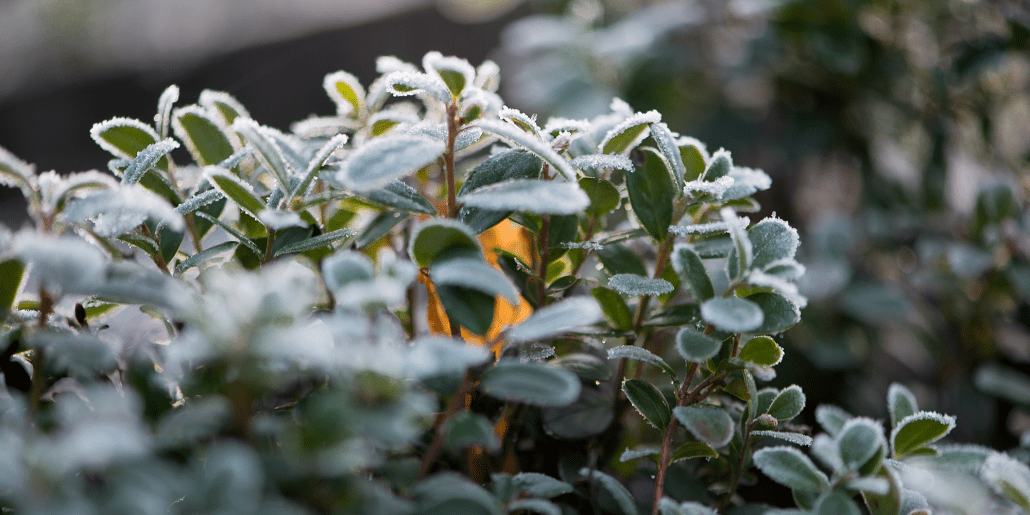
3. Shield from Frost
Use light coverings, such as frost cloths or burlap, to protect sensitive plants from cold damage. Position potted plants in sheltered areas or near walls to retain warmth.
4. Prune and Maintain
Trim back dead or damaged growth to encourage healthy regrowth in spring. Remove fallen leaves and debris to prevent pests and diseases from spreading in your garden.
By choosing indigenous plants and following these simple winter gardening strategies, you can enjoy a lush and colorful outdoor space all season long. Indigenous plants not only enhance your garden’s beauty but also contribute to a healthier environment by promoting biodiversity and conserving resources.
Let’s embrace sustainable gardening and keep our gardens thriving through winter!
