
Choosing the Right Compost for Different Types of Plants
Compost is an essential component of successful gardening. It improves soil structure, enhances water retention, and provides vital nutrients to plants. However, not all compost is created equal, and the type you use can significantly impact the health and growth of your plants. Here’s a guide to choosing the best compost for different types of plants.
1. Vegetables and Fruits
For vegetables and fruits, rich organic compost with balanced nutrients is ideal. Look for compost that contains a mix of green and brown materials—such as kitchen scraps, grass clippings, and shredded leaves. Ensure the compost is well-rotted to prevent nitrogen lock-up, which can inhibit plant growth.
Recommended compost:
-
Well-rotted manure (especially for heavy feeders like tomatoes and squash)
2. Flowering Plants
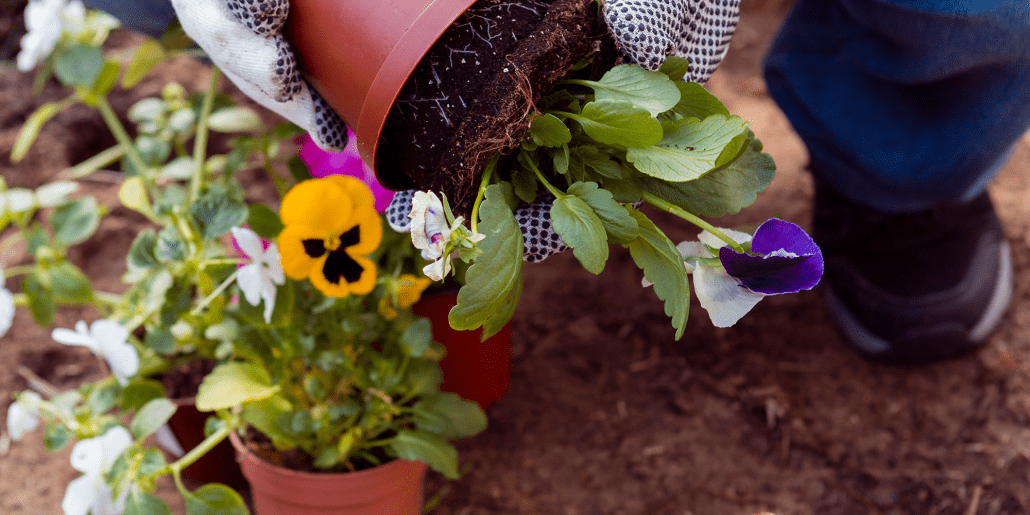
Flowering plants thrive with compost that enriches the soil without being too heavy. They require a good balance of nutrients to support vibrant blooms.
Recommended compost:
-
Peat-free multi-purpose compost
-
Compost enriched with potash for flowering varieties
-
Leaf mold for acid-loving flowers like azaleas and rhododendrons
3. Herbs
Herbs often prefer well-draining soil, so compost that doesn’t retain excess water is best. Mediterranean herbs like rosemary, thyme, and lavender thrive in slightly leaner soils.
Recommended compost:
-
Gritty, free-draining compost
-
A mix of garden compost and sand or perlite
4. Succulents and Cacti
Succulents and cacti require compost with excellent drainage to prevent root rot. Avoid nutrient-rich composts, as these plants are adapted to thrive in nutrient-poor conditions.
Recommended compost:
-
Cactus and succulent-specific compost
-
A mix of compost, sand, and grit (in a 1:1:1 ratio)
5. Lawns
For lawns, compost can be used as a top dressing to improve soil health and encourage lush growth. A fine, sieved compost works best to ensure even distribution.
Recommended compost:
-
Fine-textured garden compost
-
Compost mixed with sand for better drainage
6. Trees and Shrubs
Trees and shrubs benefit from compost that improves soil structure and provides a slow release of nutrients over time.
Recommended compost:
-
Well-rotted garden compost
-
Wood chip compost for mulching
-
Leaf mold for woodland trees and shrubs
7. Container Plants
Container plants require compost that retains moisture while providing adequate nutrients. For long-term container planting, a stable compost that doesn’t break down quickly is essential.
Recommended compost:
-
Multi-purpose compost with added loam (John Innes No. 2 or No. 3)
-
Coconut coir mixed with perlite for sustainable moisture retention

Tips for Using Compost Effectively:
-
Check pH levels: Some plants, like blueberries, prefer acidic compost, while others thrive in neutral to alkaline conditions.
-
Mix with soil: Pure compost can be too rich for some plants, so mix it with garden soil for the best results.
-
Avoid fresh compost: Ensure compost is fully decomposed to prevent nutrient imbalances and plant damage.
-
Tailor to plant needs: Adjust the compost mix depending on whether the plant is a heavy feeder or requires leaner soil.
By selecting the right compost for your plants, you’ll create an optimal growing environment that ensures healthy, thriving gardens. Happy gardening!
